


Question
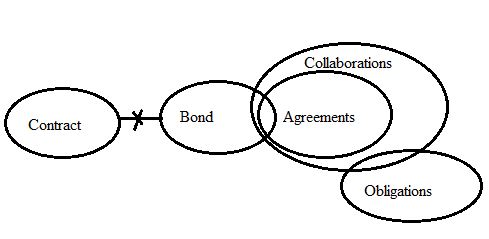
Statements: No contract is a bond. Some bonds are agreements. All agreements are collaborations. Some collaborations are obligations. Conclusions:
Statements: No contract is a bond. Some bonds are agreements. All agreements are collaborations. Some collaborations are obligations. Conclusions:
I. Some bonds are not collaborations.
II. Some agreements are not contracts.
III. Some obligations are agreements.
IV. Some bonds are not contracts.
More Syllogism Questions
- Statements: Some pins are mirrors. All mirrors are boxes. Conclusions:I. Some boxes are pins. II. Some boxes are mirrors.
- In the question below, three statements are given followed by the conclusions. You have to take the given statements to be true even if they seem to be at ...
- In the question below there are three statements followed by two conclusions I and II. You have to take the three given statements to be true even if they ...
- Statements: All flowers are books. All books are carpets. Some carpets are keys. Some keys are locks. Conclusions:I. Some keys are books. II. Some key...
- No chairs are tables Mostly tables are benches Each bench is desk. Conclusions-: I. A few tables are desks. II. Few chairs are benches.
- Statements:Only a few Plates are Cups Some Cups are Saucers No Saucer is a Spoon Conclusion: I. Some Plates are not Spoon II. Some Spoon are not Cups
- In the question below there are three conclusions followed by four statements in the options. You have to take the four given statements to be true even if...
- Statements: Some cars are scooters. All scooters are bikes. Conclusions: I. some cars are bikes. II. Some scooters are cars.
- In the question below some statements are given followed by two conclusions I and II. You have to take the given statements to be true even if they seem to...
- Statements: No mouse is a keyboard. Some keyboards are printers. All printers are scanners. Conclusions: I. Some printers are not mouse. II. Al...
Hey! Ask a query
Please enter email id
The email must be a valid email address.
Please enter Mobile Number
Please enter valid Mobile Number
Please enter your Doubt

Think You're Ready for RBI Grade B?
RBI Grade B 2026 Phase 1 Memory Based Paper
- 200 Questions with Detailed Solutions
- Section-wise Coverage (GA, English, Quant & Reasoning)